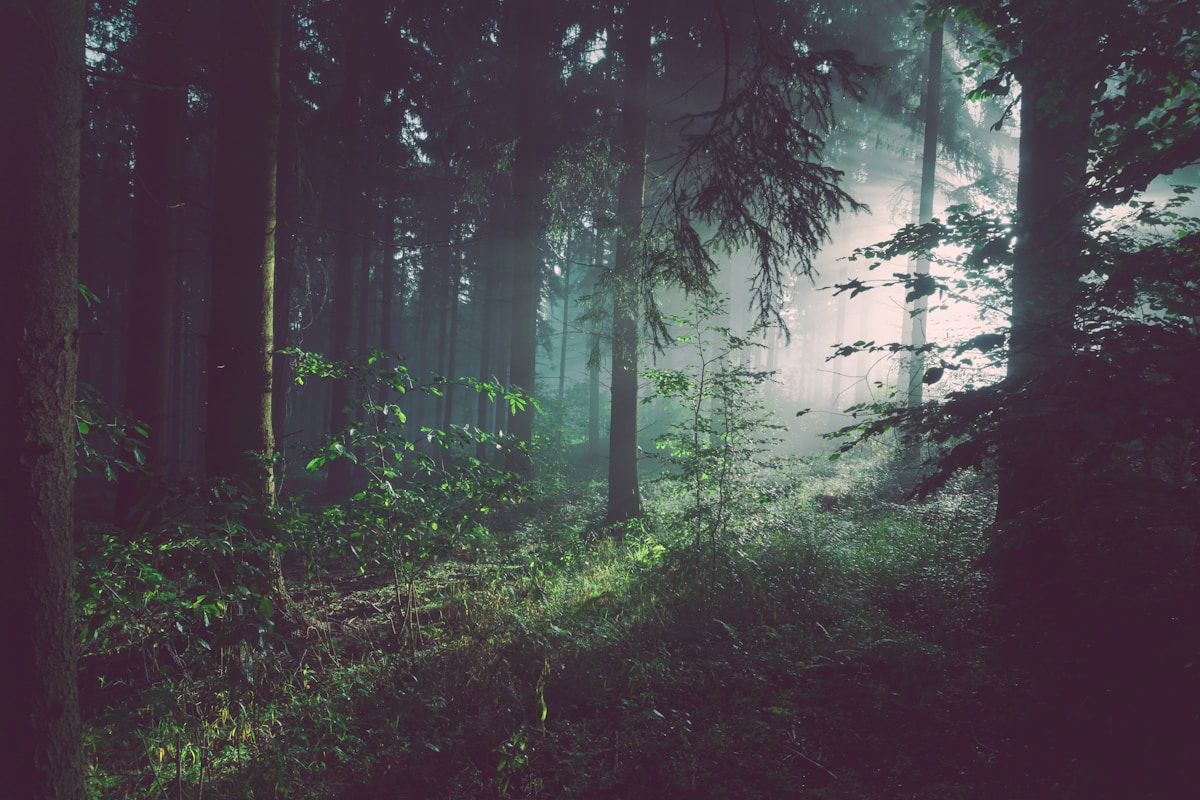
Halfway up the path my phone buzzed three times in my pocket and I did not take it out. That is unusual for me. I stopped at the bend where the railing turns and the port cranes become small enough to count without finishing. A cyclist passed going down — no bell, just the soft whir of tyres on the slope — and then the tree cover closed again and the city became a sound instead of a view.
I walk Mount Faber when my flat feels too measured — same corridor, same forty-two stairs, same view from the kitchen window toward a direction that does not show much. The hill is close enough from Henderson that I can reach the lower trailhead by bus and foot in under forty minutes if I do not dawdle. I dawdle. The dawdling is the point.
The path has sections where the roots push through the pavement in slow motion. You learn to step over the same ridges each time. There is a bench at one switchback that faces neither the city nor the sea but a wall of greenery that could be anywhere in Singapore and is not — it is this particular wall, with this particular fern growing from a crack I have photographed once and never used.
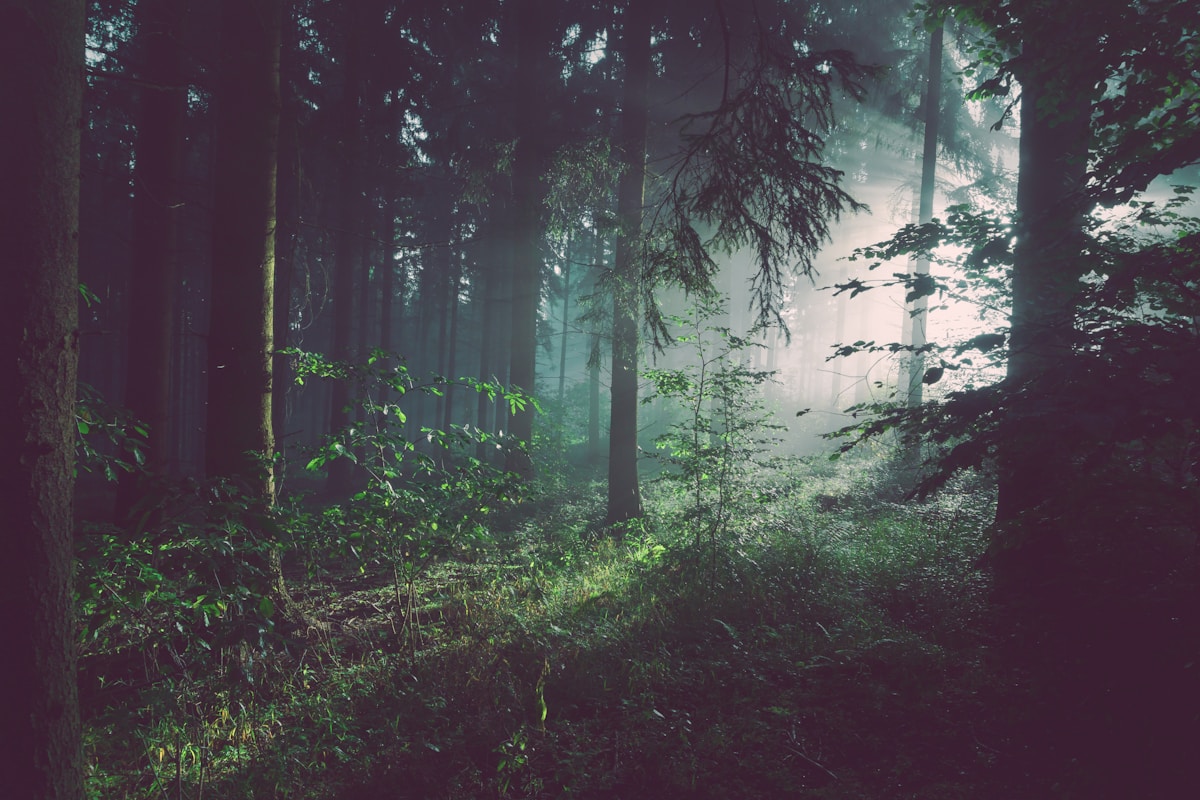
What Mount Faber holds still is not silence. You hear runners before you see them, and sometimes a tour group, and always the distant mechanical pulse of the port even when you cannot see it. What holds still is the scale. From up here the HDB blocks look like models arranged on a table. The expressway is a grey ribbon. The ships are toys that somehow still matter to the economy of the island and to no one's walk on a Tuesday afternoon.
I sat on the upper bench near the cable car station — not the tourist spot with the coin-operated viewers, but the smaller one tucked to the side where locals rest before going back down. An uncle was there already, eating peanuts from a packet and sharing none of them, which is fair. We did not talk. Two people can share a bench and a view without exchanging names or opinions. I appreciate that about Singapore sometimes — the way public space allows parallel existence.
On the way down I counted steps without meaning to — a habit from my stairwell that follows me outdoors. Seventy-something from the upper bench to the lower railing, though I have never verified the number twice on the same day. The count gives my legs something to do while my head stays with the view I am leaving behind. The city grows larger again with each descent. By the time I reached the bus stop my phone had eleven notifications and the hill felt like something I had dreamed briefly.
At home I made tea and stood at the wrong-facing window. The afterglow of the walk stayed in my legs — a slight ache, a good ache — and in the way I noticed the corridor lamp flicker the same flicker as always. Mount Faber does not change my life. It gives me an hour where the city moves without requiring me to move with it at the same speed. That is enough for one person on one afternoon in April.
I will go again when the flat feels measured again. The roots will have grown a millimetre. The fern will still be there. The uncle with the peanuts may or may not be on the bench. I can live with not knowing.